
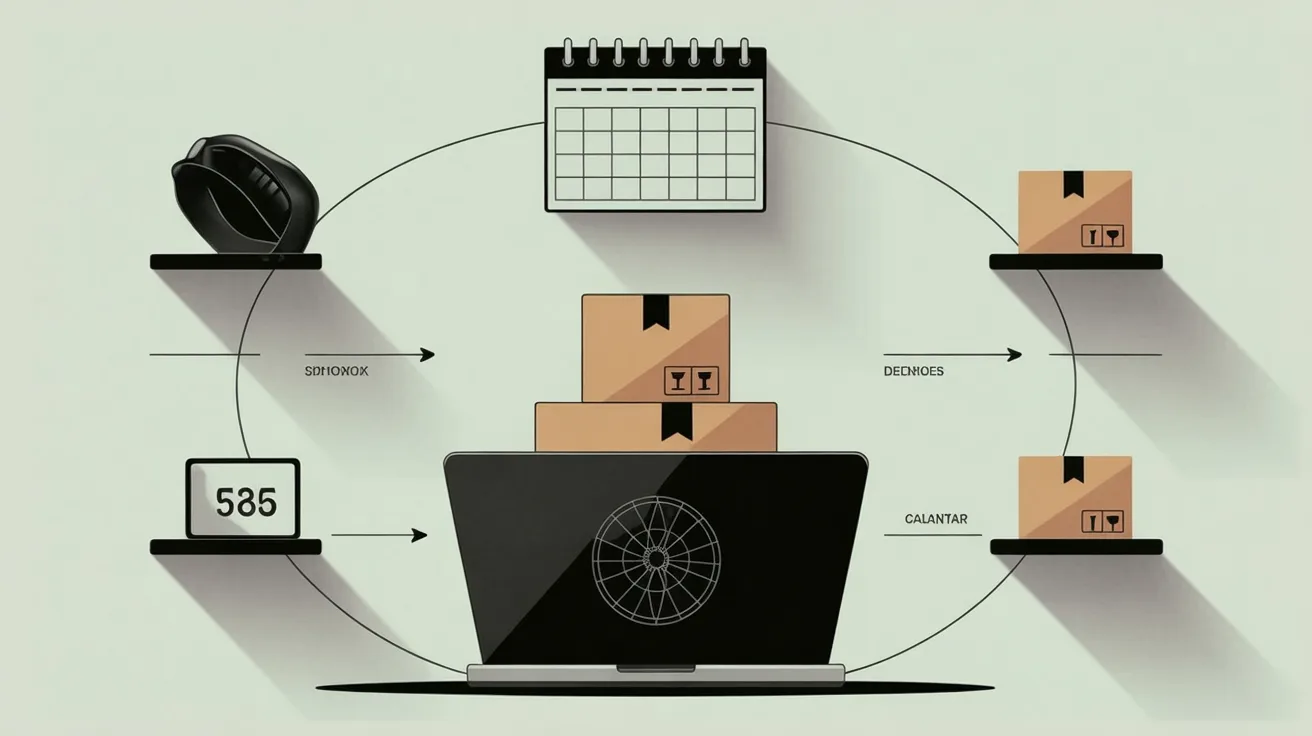
Consumers are showing grace to Black-owned businesses while Amazon tests a move that could reshape how those businesses get products to your door.
Black consumers are showing up for Black-owned businesses, but it’s not always a smooth ride. You’re out here giving “GRACE,” acknowledging that many Black-owned businesses are “SMALL IN NUMBER (staff), most are SELF INVESTED ($$) and majority of them are FIRST GENERATION trying to figure it all out.” This means you understand why there might be “issues or delays,” why a reply might be “a day or two late,” or why shipping could be “later than expected,” and even why “prices are quit higher.” You’re making a conscious choice to support, even when the logistics get tricky.
This commitment comes with questions, too. Some of you are asking Black business owners directly:
“Is it more financially beneficial to you to purchase directly from your website or in a store?”
You’re weighing “shipping costs v. larger orders from Sephora/Ulta/Target,” wanting to know the best way to put your money where your values are. The frustration with shipping is real, with one business owner asking,
“Why are shipping orders with USPS??? Price difference is not that big to upgrade to a slightly more reliable carrier.”
It’s clear that getting products from Black-owned brands to your hands efficiently and affordably is a major point of tension.
This cultural moment around supporting Black-owned businesses and navigating their operational realities runs directly into major structural shifts in retail and logistics. Amazon, a titan in e-commerce, is testing a new service that allows external websites to offer Prime shipping without requiring an Amazon login. This is a structural signal that could affect the systems Black communities move through, particularly for business owners. If this test expands, it could mean Black-owned businesses using platforms like Shopify might be able to offer the speed and reliability of Prime shipping, potentially leveling the playing field against larger retailers.
At the same time, the existing infrastructure presents challenges. USPS recently announced an 8% fuel surcharge on package delivery, a structural change that directly impacts shipping costs for all businesses, especially smaller ones. For Black-owned businesses already facing higher operational costs and navigating consumer expectations around shipping, this surcharge adds another layer of pressure. This is happening while Target, a major retailer that recently faced backlash over DEI rollbacks and shareholder pressure, is cutting prices on 3,000 items. These moves by retail giants create a challenging environment for smaller, independent Black-owned businesses to compete on price and delivery speed.
The money flows in two directions here: the dollars you spend and the capital Black-owned businesses need to grow. When you choose to buy directly from a Black-owned business, more of your dollar stays with that entrepreneur. However, the current structural reality means many Black-owned businesses face higher operational costs, including shipping, which can lead to higher prices for you. The USPS fuel surcharge directly increases these costs, meaning either the business absorbs it (cutting into already thin margins) or passes it to you. This is compounded by the fact that Black-owned businesses are denied loans at a rate of 39% compared to 18% for white-owned firms, making it harder to invest in efficient logistics, staff, or competitive pricing strategies.
Amazon’s move to offer Prime shipping on external sites could be a game-changer. If Black-owned businesses can leverage this, it could reduce their individual shipping costs and improve delivery times, making them more competitive with large retailers. This could allow them to retain more capital or invest in other areas of their business, rather than constantly battling logistical hurdles. However, it also means potentially ceding more control to Amazon’s ecosystem, a trade-off many businesses must weigh.
The goal is to ensure that as Black-owned employer businesses hit 200,000 for the first time, they have the infrastructure to sustain and scale that growth.
WHAT TO WATCH:
- Amazon’s External Prime Shipping: Track how widely Amazon rolls out its external Prime shipping service and if Black-owned businesses can easily integrate it. This could significantly impact their ability to compete on delivery speed and cost.
- Shipping Carrier Costs: Monitor future surcharges or changes from carriers like USPS. These costs directly affect the pricing and profitability of small businesses, and ultimately, what you pay.
- Black Business Support Programs: Look for programs from entities like Goldman Sachs or distribution deals like AfroPop Soda’s that specifically address capital access and market access for Black-owned businesses. These initiatives can help offset structural disadvantages.